Richard Johnson (Keynote Speaker)
Technical Director, ITOPF
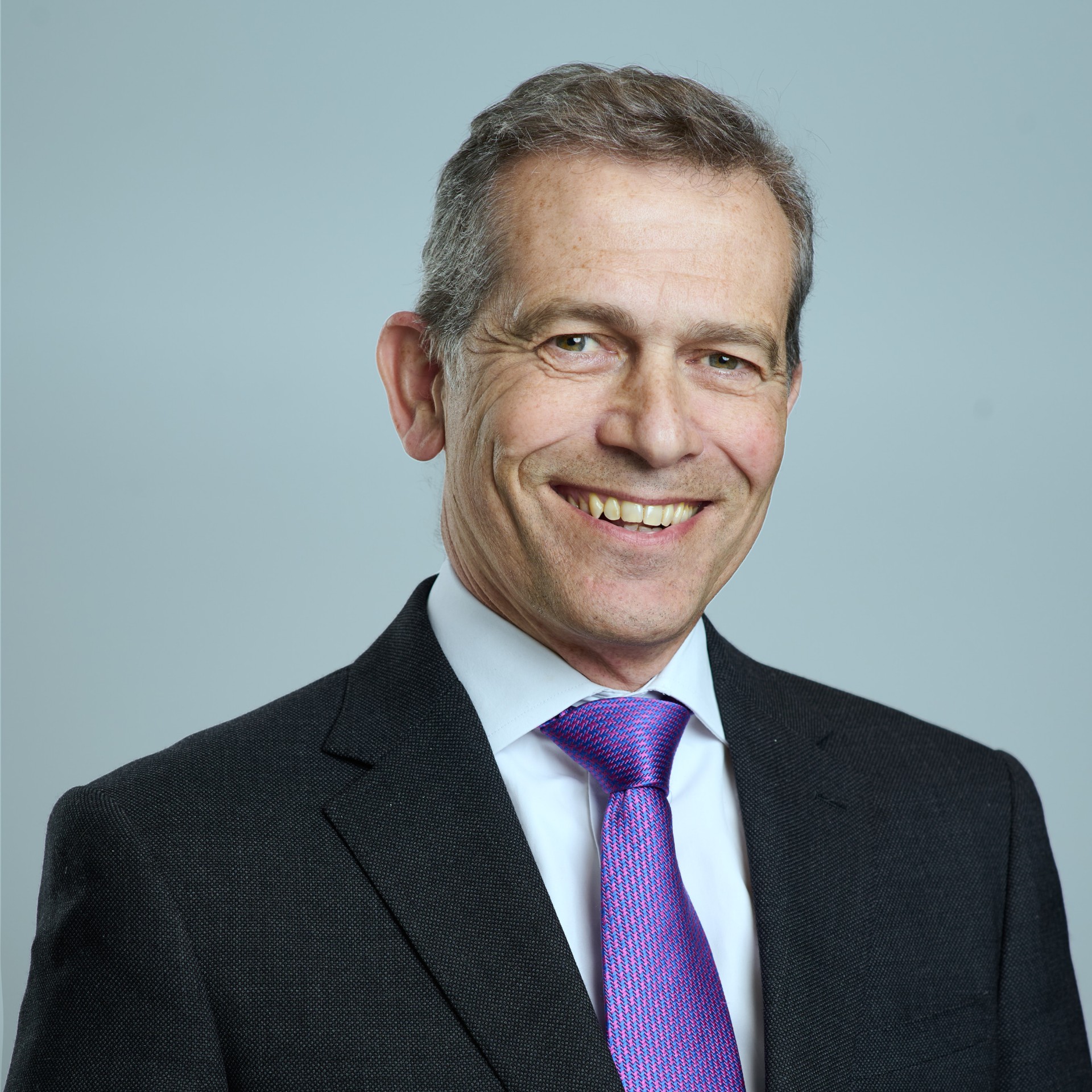
Richard Johnson is a marine biologist with a higher degree in radiation and environmental protection. Prior to working with ITOPF he worked on investigations on radioactive fallout following the Chernobyl incident and its potential pathways into the human food chain. He also did work related to radionuclide transportation around the UK, when a radioactive repository under the Irish Sea was planned. He worked as an environmental consultant with a small independent and a large international company before joining ITOPF in 1994. His ITOPF career has seen him progress through all technical positions becoming Technical Director in 2009. Richard has attended on site at scores of spill events, playing significant roles in major oil tanker incidents such as SEA EMPRESS (UK), NAKHODKA (Japan), ERIKA (France), NATUNA SEA (Singapore/Malaysia), PRESTIGE (Spain), and HEBEI SPIRIT (South Korea). He has also attended numerous non-tank vessel spills and has attended spills in the US such as NEW CARISSA, Oregon, and BOUCHARD BARGE B120 in Buzzards Bay. More recently he has been on site for plastic pellet spills in India and Sri Lanka. Since joining ITOPF he has been involved with, or anchored colleagues from London, or helped to coordinate ITOPF's involvement, in many hundreds of spill incidents and has travelled to more than eighty countries.
Richard has provided claims analysis and damage assessment advice on numerous cases to a range of different entities including government, P&I Clubs and the IOPC Funds. He also participates in intergovernmental meetings such as at IMO and has been involved in numerous advisory projects and contingency plan reviews. He has delivered keynote opening and closing plenary presentations at major international conferences as well as providing papers, chairing or giving input to workshops, seminars and training courses at regional, national and local level courses, both for government and industry. As Technical Director, Richard provides strategic oversight of the full range of technical services offered by ITOPF and is the focal point for the delivery of these services. As well as overseeing the Americas, Africa, Europe, & Middle East and the Asia Pacific Technical Teams, Richard actively contributes to the Executive Team and the travel and mission risk management group. He is also the Chair of the ITOPF R&D Award Committee, which since its inception in 2012 has awarded £600,000 to improving knowledge in the field of marine pollution.
Victoria Broje (Keynote Speaker)
Principal Emergency Management Specialist, Shell Projects & Technology

Dr. Victoria Broje is an internationally recognized expert with over 25 years of experience in environmental science and emergency response. As a Principal Technical Expert at Shell, she supports global operations in spill response technologies, research and development, regulatory and public outreach, and environmental impact assessments. She actively contributes to the development of best practices in emergency response and environmental protection through industry associations such as API, ARPEL, IOGP, CAPP, and IPIECA. Dr. Broje also collaborates with governmental agencies in the United States, Canada, Mexico, Kazakhstan, Colombia, and other countries to strengthen environmental regulations related to emergency response. In addition to her technical work, Dr. Broje serves as Chair of the Board for Clean Caribbean and Americas, a non-profit organization focused on spill response and environmental protection outreach. She also advises numerous academic initiatives.
Her academic background includes a Master’s degree in Offshore Engineering from Saint Petersburg State Technical University, specializing in Arctic oil spill modeling, and a Ph.D. in Environmental Science and Management from the University of California, Santa Barbara. Her doctoral research resulted in a patented oil skimming technology, which won the Wendy Schmidt Oil Cleanup X-Challenge for the world’s most efficient oil spill recovery equipment. In 2010, she was seconded to BP to support the Deepwater Horizon response in the Gulf of Mexico. Over the years, she has led numerous research projects aimed at improving spill response efficiency and coauthored three publications for the U.S. National Academy of Sciences, including the latest edition of Oil in the Sea IV. In 2024, Dr. Broje became the first woman to chair the International Oil Spill Conference in its 55-year history.
Shelley Denny (Keynote Speaker)
Director of Aquatic Research and Stewardship, Unama’ki Institute of Natural Resources (UINR)
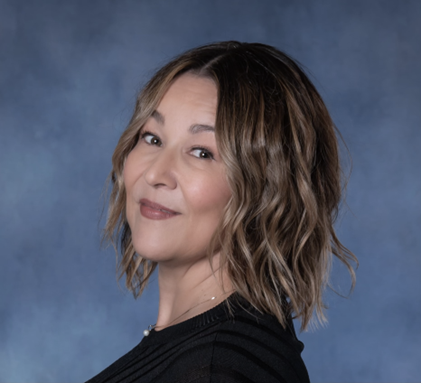
Shelley Denny is a Mi’kmaq from Eskasoni First Nation and the Director of Aquatic Research and Stewardship of the Unama’ki Institute of Natural Resources an organization that represents the five First Nations in the Mi’kmaw district of Unama’ki, also known as Cape Breton Island, Nova Scotia, Canada. Shelly also holds three adjunct professor positions at Dalhousie University (Marine Affairs & Biology) and University of Windsor (Biology).
With a keen interest in aquatic life and habitats, Shelley obtained her BSc in biology at Acadia University and her MSc at St. F.X University studying fisheries ecology. Shelly subsequently obtained a PhD at Dalhousie University in Interdisciplinary Studies investigating ways Indigenous and western knowledge can be used for the benefit of all, known as Two-Eyed Seeing. Her doctoral research built on her current interest and experience at UINR explored how Aboriginal and treaty fisheries can be governed in Nova Scotia using Two-Eyed Seeing. Shelly continues to be involved in a wide range of research utilizing the perspective of Two-Eyed Seeing.
Shelley enjoys opportunities for working with traditional fishers/harvesters and plays a key role in bringing the voice of traditional Mi’kmaw fishers into discussions with Indigenous, federal, provincial governments and international forums.
Heather Parker (Keynote Speaker)
Research Program Manager, Oil Spill Recovery Institute (OSRI)
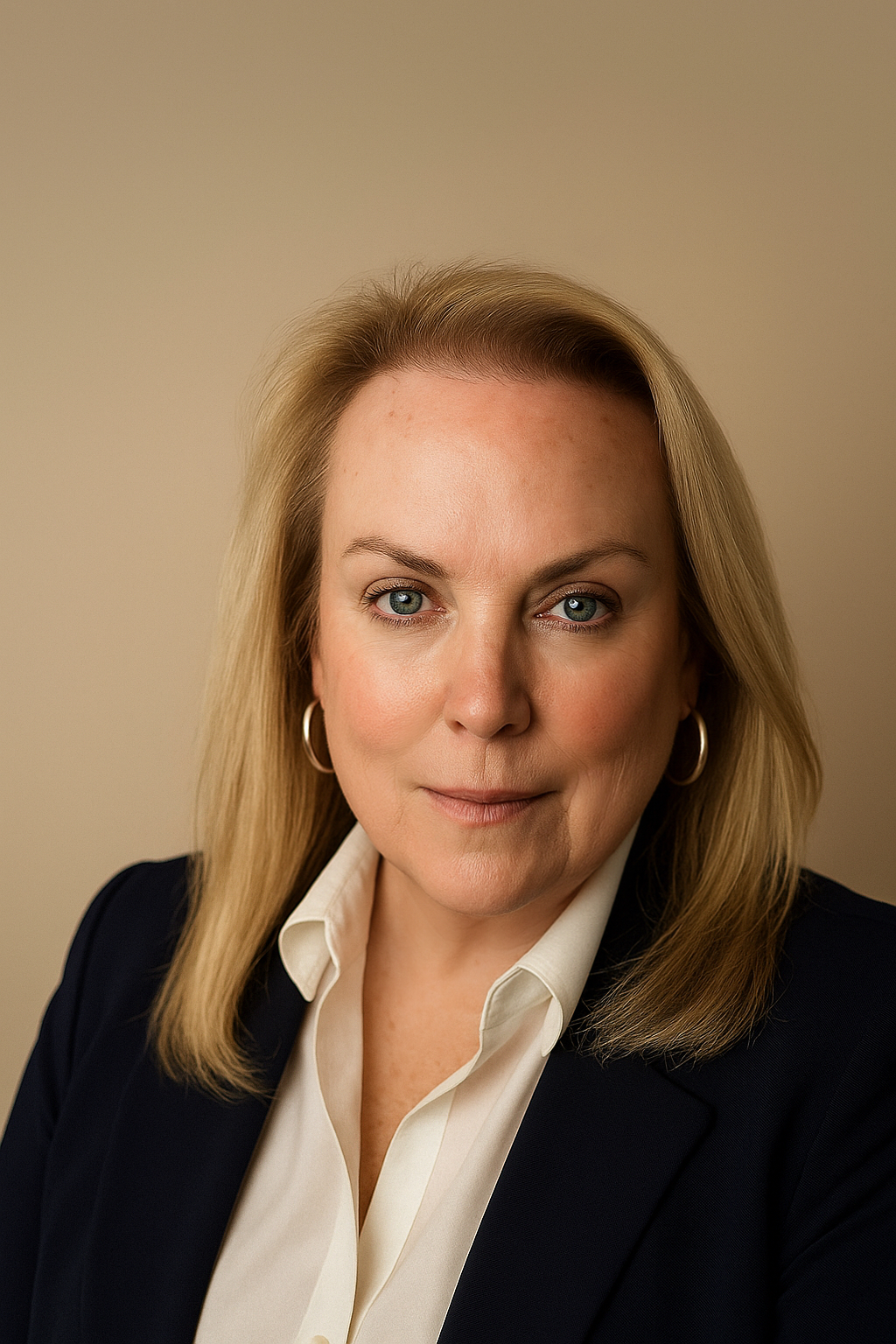
Heather Parker is a marine scientist with over 30 years’ experience who began her career as a mariner with NOAA Corps as ship’s deck officer and science officer focusing on oceanographic studies, then as Fisheries Oceanographer at the National Marine Fisheries Service in Monterey, California, concentrating on effects of upwelling and mesoscale features while earning an MSc in Physical Oceanography at the Naval Postgraduate School. As NOAA Scientific Support Coordinator (SSC) in California, she provided spill science response support, while developing and delivering multiple innovative training and preparedness activities, and supporting international transboundary spill preparedness and response with Mexico, including developing and delivering bilingual spill science training courses. Serving as US Coast Guard’s Northwest Regional Response Team/Joint Response Team coordinator, she led collaborative improvements in spill preparedness throughout the region and on advancement of transboundary spill preparedness and response efforts with Canada. She represented US Coast Guard at IMO MEPC meetings, leading International Offers of Assistance Guidelines development, and was technical lead for the U.S. Coast Guard and Makah Tribal Nation MOA and its implementation plan. As U.S. Navy On-Scene Coordinator/ Spill Program Manager for the Northwest, she directed operational and environmental components of numerous spill responses as the Responsible Party, coordinating with multiple agencies and tribes, while innovating preparedness improvements, adopted by the Navy nationwide. She has engaged in a range of Tribal, Native Alaskan, and First Nation spill preparedness and response collaboration efforts throughout her career. Her spill response experience includes field deployments since 1996 on multiple spills throughout the US, Canada, Mexico, and Europe. Experience areas include spill science, trajectory modeling, contingency planning, ICS expertise, Indigenous People engagement, and exercise and training development and implementation. Currently, she is the Research Program Manager for the Oil Spill Recovery Institute, and a PhD candidate at the World Maritime University.
Kathy Nghiem (Keynote Speaker)
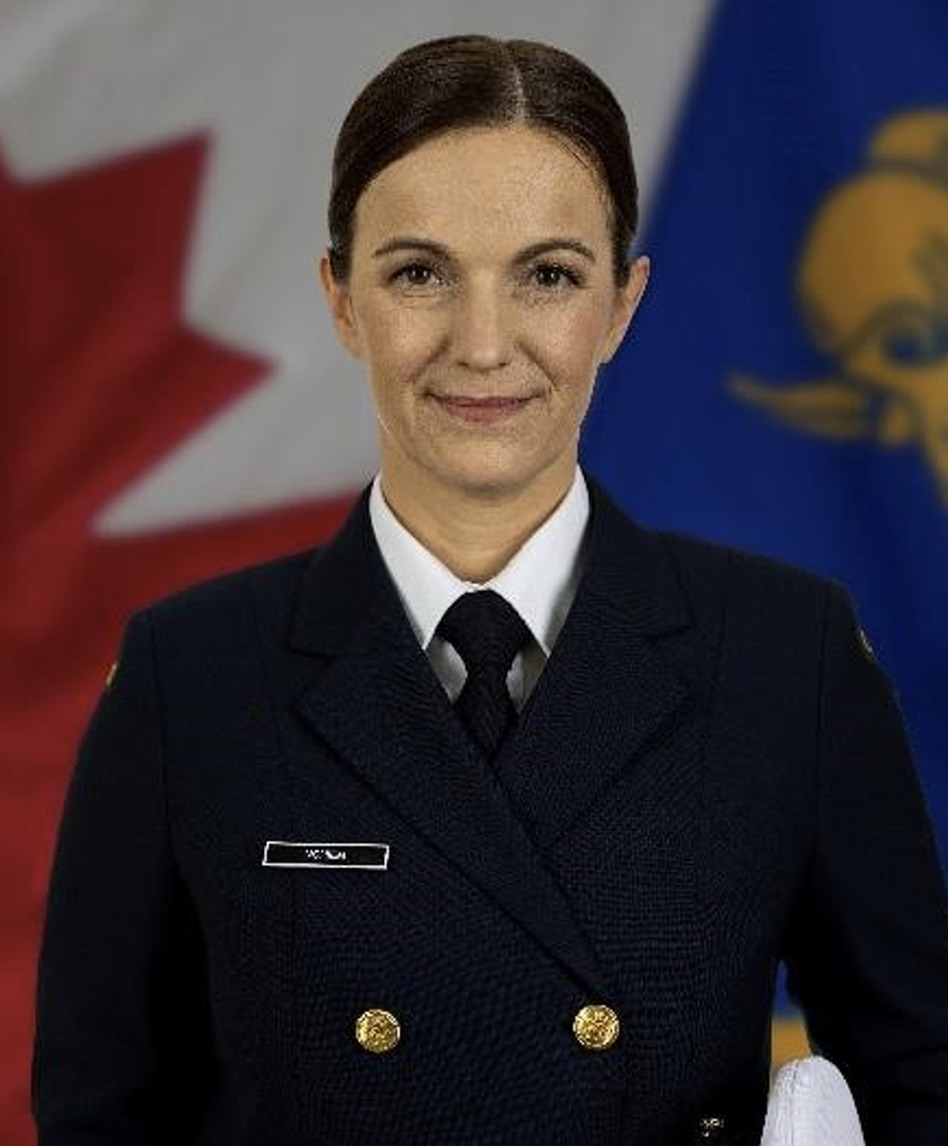
Director General of Response, Canadian Coast Guard (CCG)
Kathy Nghiem serves as the Director General of Response at the Canadian Coast Guard (CCG). She is responsible for leading emergency preparedness and response efforts relating to maritime search and rescue, marine environmental and hazards response to spills and risks posed by hazardous vessels along Canada's coasts and in its major inland waterways. Her pivotal role involves modernizing the CCG's environmental response initiatives and overseeing policy development and emergency response program management. Kathy is also Vice-Chair (former Chair) and Head of Canadian Delegation for the Arctic Council's Emergency Prevention, Preparedness, and Response Working Group. In this capacity, she collaborates with member and observers to advance risk mitigation and improve response capacity and capabilities through the development of guidance and methodologies, exercises and training, and information-sharing on best practices related to accidents and threats from pollutants and disasters in the Arctic. Previously, she spent 15 years with Crown-Indigenous Relations and Northern Affairs Canada. Kathy holds an M.A. in Sociology from Carleton University, and a B.A. in Sociology from the University of Waterloo.