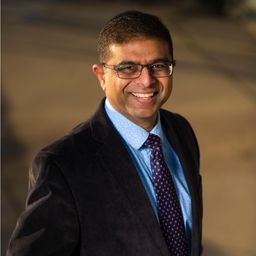
Sandeep Agrawal
Sandeep Agrawal est vice-doyen à la Faculté des études supérieures et de la recherche et professeur au Département des sciences de la Terre et de l’atmosphère à l’Université de l’Alberta. Il a été vice-président du département ainsi que directeur fondateur de l’École d’urbanisme et d’aménagement régional entre 2013 et 2023. Durant son mandat à titre de directeur, il a dirigé l’élaboration du programme de maîtrise en planification (MSc) et de la spécialisation doctorale (PhD) en urbanisme et a établi officiellement l’École en 2018. Avant de se joindre à l’Université de l’Alberta, il était directeur adjoint et directeur fondateur des programmes d’études supérieures de l’École d’urbanisme et d’aménagement régional à l’Université métropolitaine de Toronto (anciennement Ryerson).
Auteur accompli de trois ouvrages ainsi que de plus de 100 articles et rapports professionnels, Sandeep a apporté des contributions importantes à l’urbanisme à travers les prismes du multiculturalisme, des droits de la personne et de l’équité, avec des retombées notables sur les règlements municipaux, les politiques d’aménagement et la législation. Ses autres travaux portent notamment sur le logement autochtone, la transition énergétique et la gouvernance municipale. Il a reçu de nombreuses subventions du CRSH (SSHRC), du CRSNG (NSERC) ainsi que d’autres organismes canadiens et américains. Ses ouvrages récents, Rights and the City: Problems, Progress and Practice et Municipal Boundary Battles, sont publiés par University of Alberta Press.
Sandeep est lauréat du prix académique national de l’Institut canadien des urbanistes, en reconnaissance de sa contribution significative à l’enseignement et à la recherche en urbanisme.
Sessions auxquelles Sandeep Agrawal participe
Vendredi 22 Mai, 2026
Ce panel examine les infrastructures numériques qui façonnent la migration : des technologies frontalières propres à certains corridors aux plateformes qui influencent les choix de transit, en passant par les outils développés pour soutenir l'intégration. Les panélistes s'appuient sur l'urbanisme, les études du développement et les médias numériques pour explorer comment l'infrastructure n'est jamais neutre : elle encode des représentations des personnes migrantes, de leurs destinations et de...